Featured
The 30-Second Trick For Policy Changes Influencing Sustai...
Examine This Report on "Debt Forgiveness Destroys Your Fu...

Staying Away From New Debt Problems After Debt Relief Can...
A Biased View of Necessary Paperwork When Pursuing Mortgage Help for Low-Income Families: What Options Do You Really Have? : APFSC
Table of Contents
That maximizes money in the brief term, and you might have 3 to four years to conserve towards the negotiation quantity. Very harmful to debt scores, primarily because of missed out on repayments and an unfavorable "worked out" mark that might remain on your debt report for approximately seven yearsMay be only choice if other options (financial debt combination, equilibrium transfer charge card, financial obligation forgiveness) aren't possibleTypically calls for a cost to the 3rd party, which can offset some or all of the savings from financial debt settlementMay assist you prevent personal bankruptcy if you have actually missed out on several paymentsNot all lenders work with financial obligation settlement business Financial obligation mercy may be ideal for you if you are experiencing a financial hardship that makes it nearly impossible to pay down your financial obligation equilibriums.

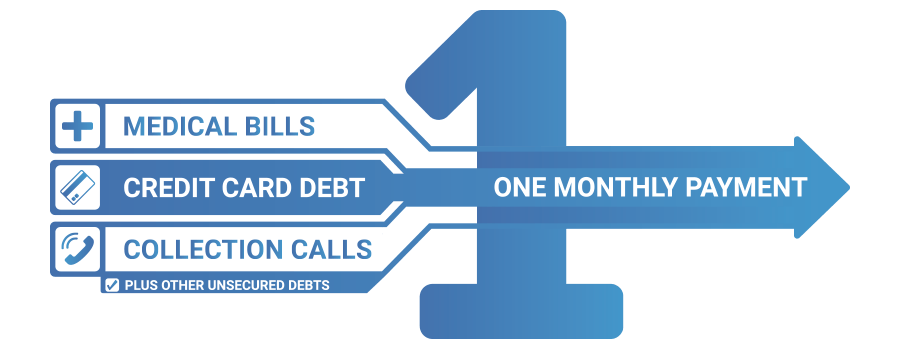
With a DMP, you make one month-to-month payment to the credit counseling company. Those funds are after that dispersed to creditors of your unprotected financial debts, such as credit cards and installment finances. The firm deals with your financial institutions to reduce rate of interest rates or waive fees, but some lenders may decline such giving ins.
It can aid you pay down financial obligation if you're able to secure a loan rate that's lower than the ordinary rate of the accounts you're combining. You have to avoid from racking up debt on those freshly cleared accounts or your financial obligation can grow even higher.
These cards usually use a 0% interest introductory period of approximately 21 months. That provides you plenty of time to eliminate or dramatically decrease your equilibrium while making interest-free repayments. For some people dealing with impossible financial obligation, insolvency might be the only way to quit collection process and legitimately solve their financial obligations.
Some Known Incorrect Statements About What to Expect Throughout the Mortgage Help for Low-Income Families: What Options Do You Really Have? : APFSC Journey
You may need it if your creditor or a collection firm ever before tries to gather on the financial obligation in the future. The letter might prove you don't owe what the collection firm's documents show. Yes, in many cases, the internal revenue service considers forgiven financial obligation as taxed income. When a lender forgives $600 or more, they are needed to send you Type 1099-C.
Debt forgiveness or settlement usually injures your credit score. Anytime you work out a financial debt for less than you owe, it might appear as "settled" on your credit rating report and influence your credit rating for 7 years from the date of settlement. Your credit score can additionally go down considerably in the months leading to the mercy if you fall back on repayments.
Things about Complimentary Online Financial Literacy Materials Available to You
This situation commonly results from underreporting revenue, not filing returns on time, or discrepancies located throughout an IRS audit. The effects of gathering tax debt are severe and can consist of tax obligation liens, which give the Internal revenue service a legal claim to your home as safety and security for the financial obligation.
Incomes and Financial institution Accounts IRS can levy (take) incomes and bank accounts to please the debt. Residential property Seizure In extreme cases, the Internal revenue service can seize and sell building to cover the financial obligation.
Clinical depression, stress and anxiety, and various other mental wellness concerns. Social Stigma Facing legal activity from the IRS can carry social stigma. Damages to credibility and connections. Work Opportunities An inadequate credit rating rating because of strain financial debt can limit job opportunity. Difficulty searching for or maintaining a task. Federal government Benefits Tax obligation financial obligation might affect qualification for federal government benefits, such as Social Safety And Security and Medicaid.
The Best Guide To The Advantages and Disadvantages of Debt Forgiveness
The OIC thinks about numerous variables, including the taxpayer's revenue, costs, possession equity, and ability to pay. Effectively bargaining an OIC can be complicated, requiring a comprehensive understanding of the IRS's standards and a solid argument for why your offer aligns with your capability to pay. It is very important to keep in mind that not all applications are accepted, and the process needs in-depth economic disclosure.
The internal revenue service analyzes your general financial situation, including your earnings, costs, property equity, and capacity to pay. You must additionally be present with all filing and settlement demands and not be in an open personal bankruptcy proceeding. The IRS likewise considers your conformity history, assessing whether you have a document of timely filing and paying tax obligations in previous years.
The Greatest Guide To Protecting Yourself from Mortgage Help for Low-Income Families: What Options Do You Really Have? : APFSC Scams
The application process for a Deal in Compromise entails numerous detailed steps. First, you must finish and submit IRS Type 656, the Deal in Compromise application, and Type 433-A (OIC), a collection details statement for people. These forms require comprehensive financial information, including details concerning your revenue, financial obligations, costs, and properties.
Back taxes, which are unsettled tax obligations from previous years, can considerably enhance your overall internal revenue service financial obligation if not addressed without delay. This financial debt can accumulate interest and late repayment penalties, making the original amount owed much bigger with time. Failure to repay tax obligations can result in the internal revenue service taking enforcement activities, such as providing a tax lien or levy against your building.
It is very important to address back taxes immediately, either by paying the full quantity owed or by organizing a layaway plan with the IRS. By taking positive steps, you can avoid the accumulation of additional rate of interest and fines, and avoid a lot more aggressive collection actions by the internal revenue service.
One common factor is the belief that the taxpayer can pay the complete amount either as a round figure or via a repayment strategy. The internal revenue service also thinks about the taxpayer's revenue, expenditures, asset equity, and future earning potential. If these variables show that the taxpayer can pay for to pay greater than the used quantity, the internal revenue service is most likely to decline the offer.
The Advantages to Consider of Debt Forgiveness Fundamentals Explained
Dealing with IRS financial obligation can be complex and overwhelming. Tax obligation experts, such as CPAs, tax obligation attorneys, or enrolled representatives, can provide invaluable help.

Table of Contents
Latest Posts
The 30-Second Trick For Policy Changes Influencing Sustainable Finance for Households: Integrating ESG Thinking into Personal Budgeting Procedures

Examine This Report on "Debt Forgiveness Destroys Your Future" Exposed
/images/2025/11/17/how_does_debt_settlement_work_.png)
The 15-Second Trick For Restoring Your Financial Standing the Right Way
More
Latest Posts
Examine This Report on "Debt Forgiveness Destroys Your Future" Exposed
The 15-Second Trick For Restoring Your Financial Standing the Right Way